
JPG · PNG · WEBP · PDF · CBZ · CBR — up to 20 MB
Korean · Chinese · Japanese → 30+ languages. For a whole long-strip chapter use the chapter translator.
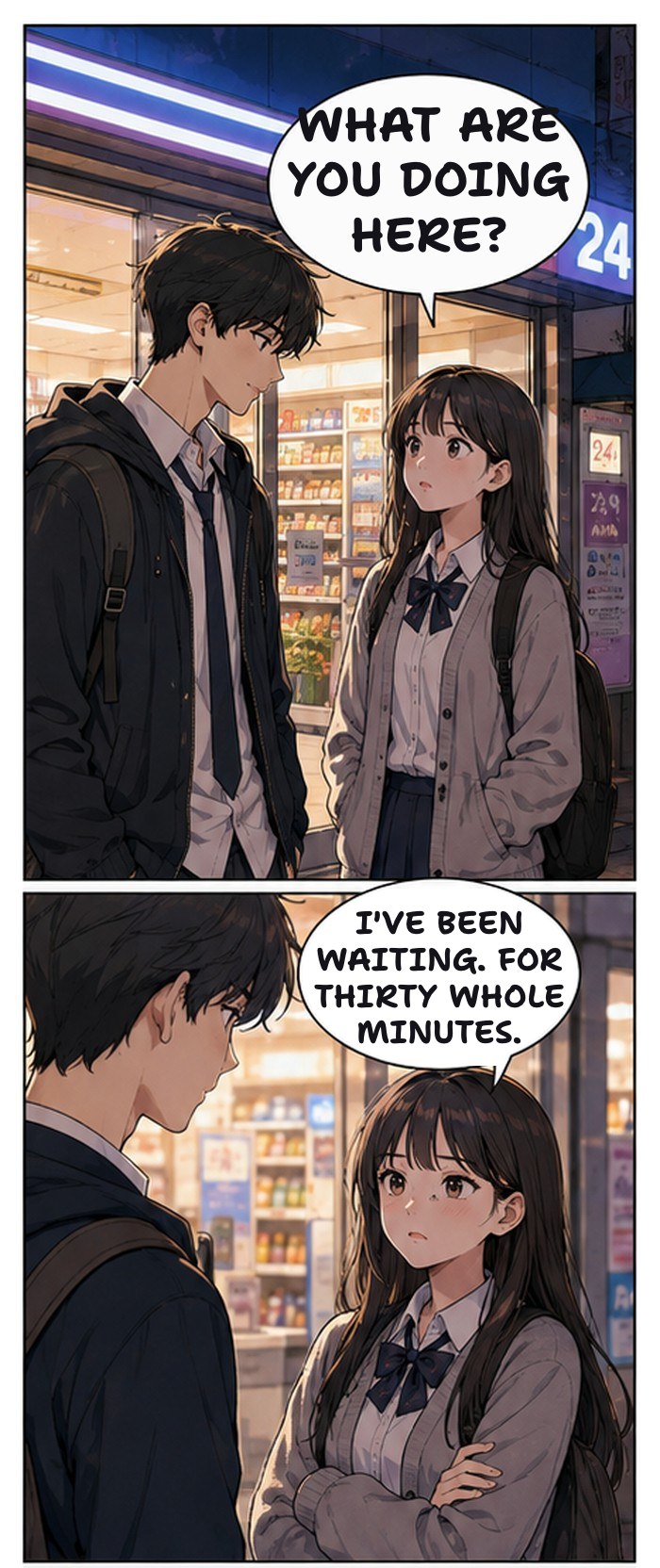
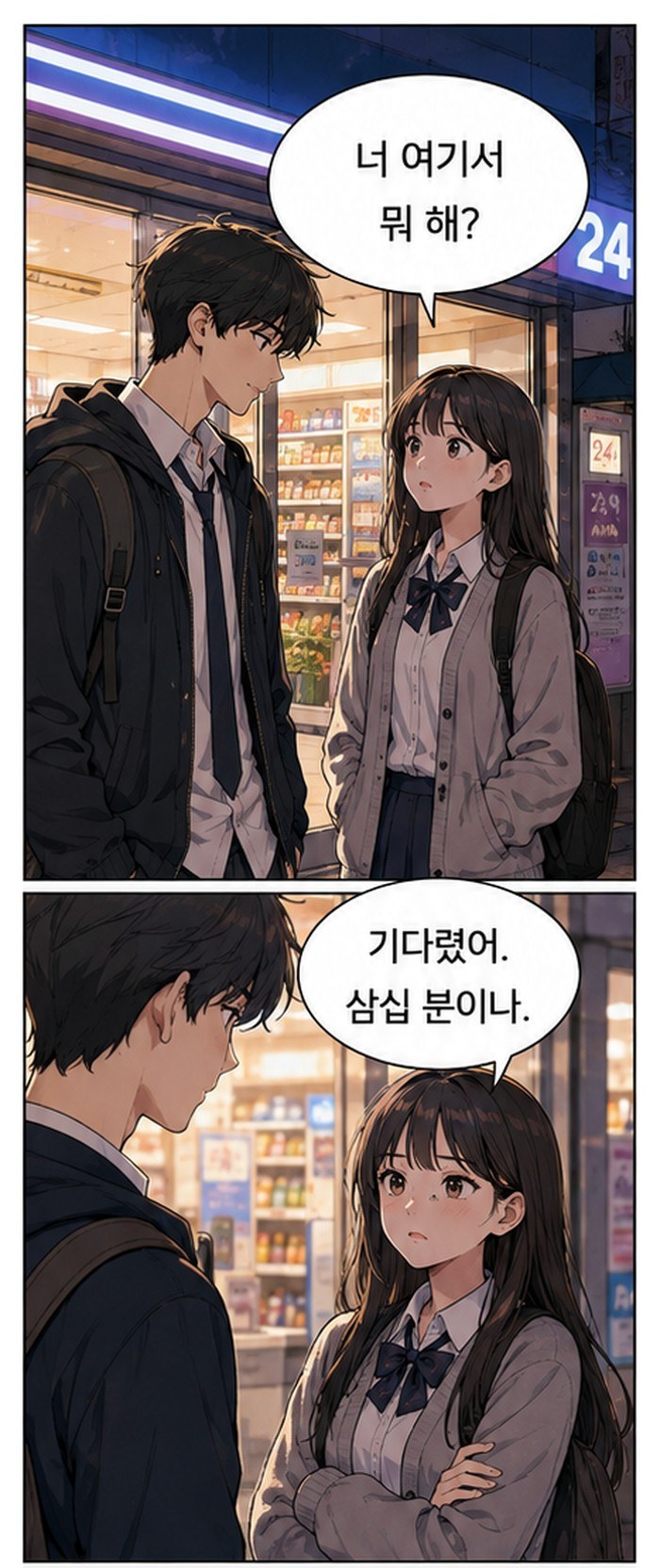
Korean manhwa and Chinese manhua are one tall image, not a set of pages. To translate manhwa properly we slice at the gutters, translate each part, and draw the manhwa translation back onto the original — so vertical scroll stays vertical and nothing gets cut mid-bubble.


Korean · Chinese · Japanese → 30+ languages. For a whole long-strip chapter use the chapter translator.
The part every page-based translator gets wrong.
Cuts on gutters, never through a speech bubble or a face.
Translations are drawn onto the original tall image at its original size — not 14 separate crops.
Hangul in stylised SFX and hand-lettered shouts, which is where most models fall over.
Every balloon on an episode is translated in one pass with the full page as context, so a system term used three times comes out the same three times.
Long strips are heavy. We re-encode so a 40 MB chapter loads on mobile data.
Long-strip chapters need a different path from page-based manga. This is it.
One tall image in JPG, PNG or WEBP. Anything taller than 3.5× its width is treated as a long strip automatically; the tool tells you how many parts it will cut before you run it.
The strip is split where the artwork already breaks, never through a balloon or a face. Each piece is translated with the pieces around it for context.
Translations are drawn straight onto the original image at its original dimensions. One tall image, not fourteen crops — vertical scroll stays vertical.
None of these come up on a page-based manga, and all of them come up on manhwa.
A 1:20 strip has to be cut before anything can read it. Cutting on the gutters the artist already drew keeps balloons and faces intact; cutting at fixed intervals does not.
Every part’s boxes are mapped back to full-strip coordinates and drawn on the original, so you get one tall image back rather than fourteen crops to scroll through separately.
Hand-drawn Hangul in effects and shouted lines is where most models fall over, and it is everywhere in manhwa.
Chapters routinely arrive at 40 MB. Output is re-encoded so it loads on mobile data, which is how most manhwa is actually read.
Missed a balloon? Draw a box over it and the model reads just that region for one credit, merged into the strip — no full re-run.
WEBTOON shut down its own fan translation service in late 2025. For a lot of series there is now no path at all to a non-English reading.
Tools built for page-based comics tend to fail on manhwa in the same four ways.
The raw chapter is out, the translated one is three weeks away. Read it now and re-read the official version later if you want.
Most manhwa reaches Spanish, Portuguese, Turkish and Indonesian much later than English, if at all. Translating from Korean directly skips the double-hop through English.
You made it, you localise it. Pin the character names once and they stay consistent across every episode you run.
Manhwa dialogue is conversational and paired with visual context — better material than a textbook for reading practice.
Sample pages are built into the tool, or drop your own chapter. 3 pages a day free, no account.
Korean, Chinese and Japanese sources are detected automatically.
Upload the chapter above, or install the extension and read with auto-translate on. Both handle Hangul including stylised sound effects.
No. WEBTOON discontinued its Fan Translation Service in late 2025 and translate.webtoons.com is offline. That's part of why this page exists.
Supported — simplified and traditional, vertical and horizontal.
3 pages a day are free with no account. A chapter is usually 1 long image, which counts as roughly 3–5 pages.
Up to about 30 parts per run — the tool tells you the count before it starts. Each part is translated with its own full context, and the results are drawn straight onto the original image, so you get one strip back. For a longer chapter, split it and run the halves.
Output is re-encoded so a chapter that arrived as 40 MB comes back at a size that loads on mobile data without visible quality loss.
Yes — simplified and traditional Chinese, in both long-strip and page formats.
Within an episode, yes — the whole page is one translation pass. A pinned series glossary isn’t available yet; if a name drifts, draw a box over that balloon and re-read it.
Sound effects and signage outside balloons are redrawn where they sit, with an outline, rather than being dropped.