Doujinshi translator · hand-lettering · dense SFX

Doujin translator
for the hard pages

Doujinshi is hand-lettered, SFX-heavy and full of margin notes — the exact material that makes ordinary OCR give up. This doujinshi translator does an automatic first pass of the doujin translation, then you fix what it missed by drawing a box.

example · 日本語 → EnglishHANDWRITTEN NOTES
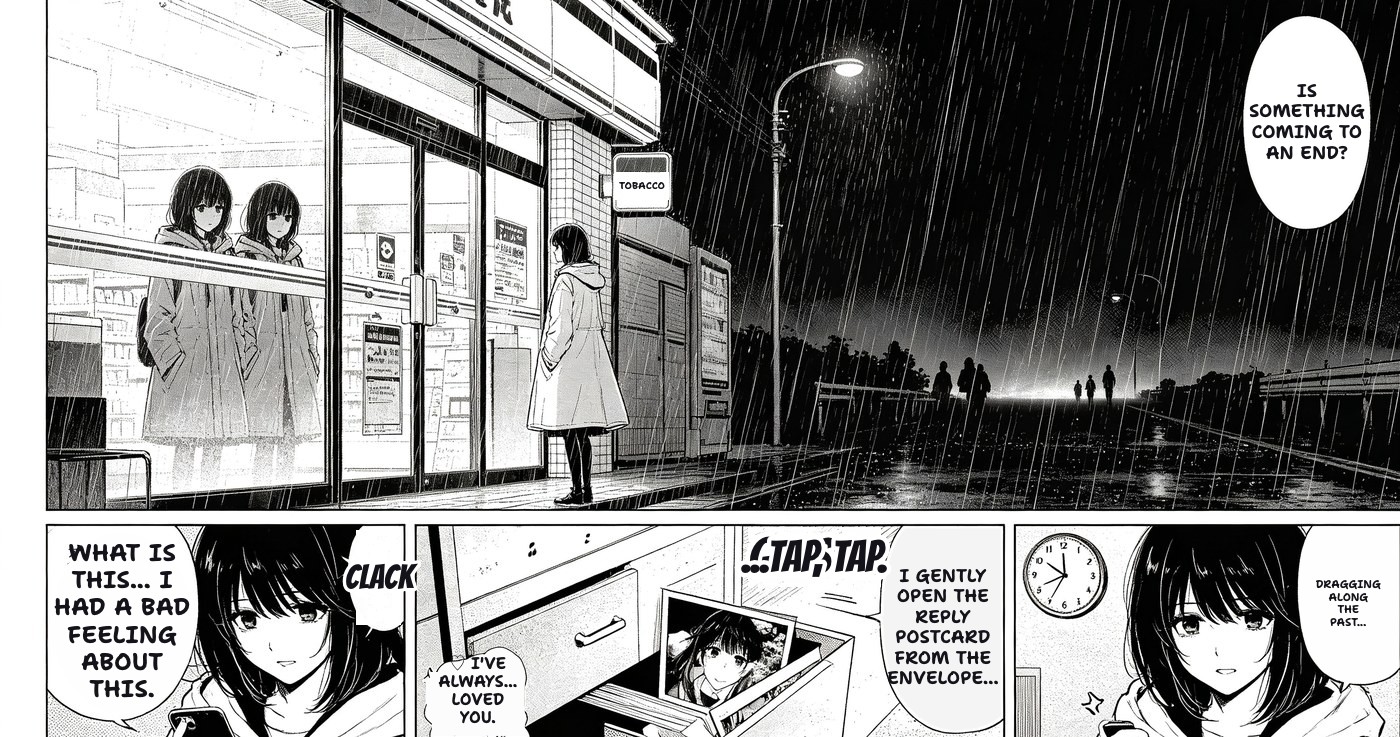
The same page after TranslateMyManga translated the balloons and the handwritten notes into English.
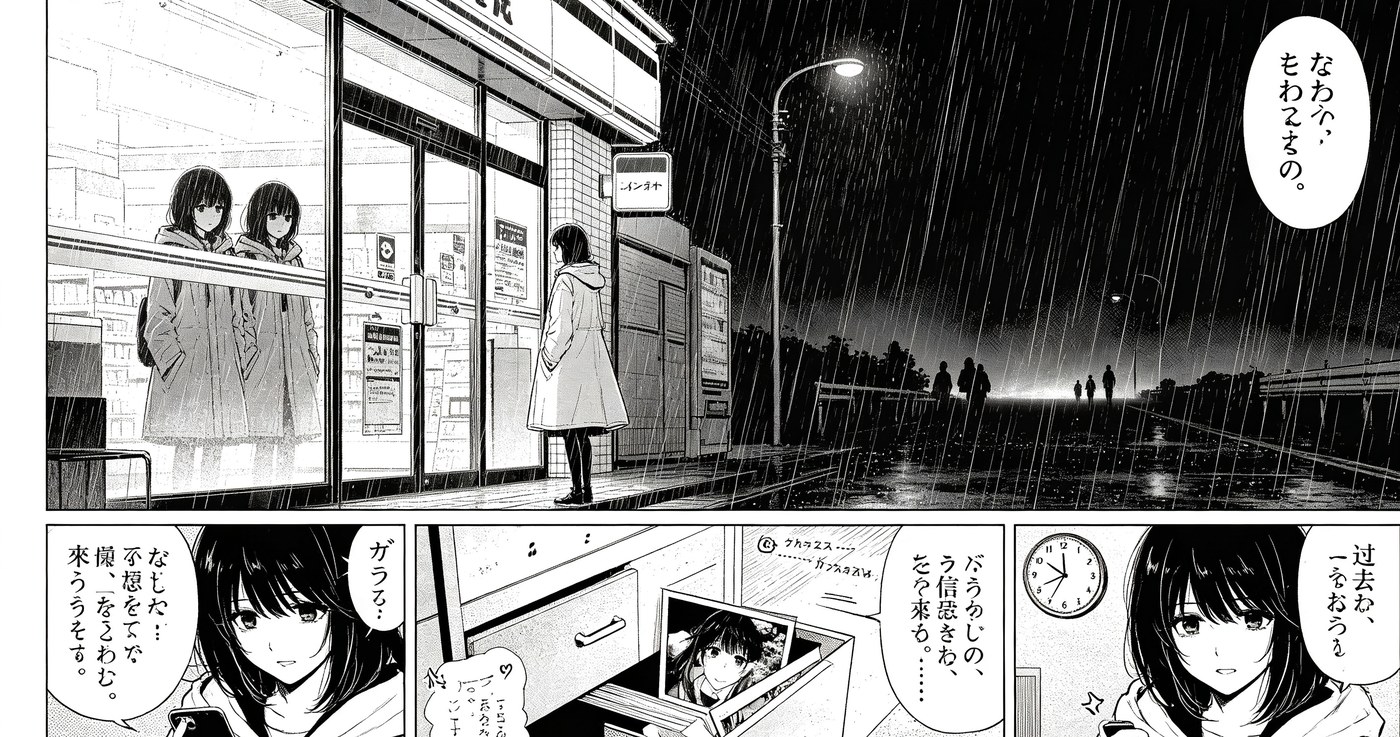
A Japanese page with handwritten margin notes and small vertical text, before translation.
RAW · 日本語TRANSLATED · English
An example page, not your upload — drag the divider to compare. Drop your own page in and this becomes your result.
Drop a page here, or click to browse
JPG · PNG · WEBP · PDF · CBZ · CBR — up to 20 MB
Paste a screenshot or an image link anywhere on this page — or try one:
Translate to:Order:

Japanese · Korean · Chinese → 30+ languages.

Why this material is harder

Four reasons the automatic pass alone won't cut it here.

01

Hand-lettering everywhere

Doujinshi is often lettered by hand, not typeset. Stroke shapes vary page to page, which is exactly where OCR trained on printed manga falls apart.

02

SFX density

Fan works lean much harder on sound effects drawn into the art. Those are erased stroke by stroke and redrawn in place with an outline, not treated like a balloon.

03

Tiny marginalia

Author notes squeezed into gutters and page edges at half the body size — usually the funniest part, usually the part tools drop.

04

The manual box matters more

For this material an automatic pass is a first draft. Drawing a box over what the model missed — and paying one credit for just that region — is the normal workflow, not the exception.

The workflow for hard pages

Automatic first, manual where it matters. For this material that order is not optional.

1

Run the automatic pass

Balloons, margin notes and sound effects are found and translated in one go. Treat what comes back as a first draft, not a finished page.

2

Fix what it missed

Draw a box over a bubble the model skipped and it reads just that region, then merges the result into the page. Hand-lettering is where detectors trained on printed manga give up, so expect to do this.

3

Download or keep it

Save the PNG, or find the finished page in your library for 30 days — every manual box is recorded there too, so you can see what each page really cost.

Six things this material demands

Self-published work breaks assumptions that printed-manga tools are built on.

STROKES

Hand-lettering

Letter shapes vary page to page and sometimes panel to panel. Models trained on typeset text degrade here, which is why the manual box works on every plan — including the free one — rather than being sold as an upgrade.

MARGINS

Author notes

Squeezed into gutters at half the body size, often the funniest part of the book, and usually the first thing a detector drops.

EFFECTS

SFX density

Fan work leans much harder on effects drawn straight into the art. Those need redrawing in place, not balloon replacement.

CONTROL

Read just this box

Draw a box over anything missed and the model looks at just that region for one credit, instead of rerunning the whole page and hoping.

TERMS

Invented vocabulary

Circles coin their own terminology. The model reads the whole page at once, so a term used twice on a page comes out the same twice — across a book, check the first appearance and fix with a box where it drifts.

PRIVACY

Nothing kept

Pages are processed and discarded. Only page count, language and timing are stored, so credits add up and nothing else does.

Why the usual tools struggle here

Doujinshi breaks the assumptions that printed-manga OCR is built on.

TranslateMyMangaStandard manga OCR
LetteringHandles hand-drawn strokesTrained on typeset text
Margin notesPicked up at half body sizeBelow the detection threshold
SFX densityRedrawn in place with an outlineSkipped
When it failsDraw a box, it reads just that regionNo recourse — rerun and hope
TerminologyPinned per seriesFresh guess each page

Where it gets used

Convention hauls

Books bought at an event that will never be scanned, let alone translated. This is often the only way they get read in another language.

Fan circles localising their own work

You drew it, so there is nothing to argue about. Run the book, fix the lettering, publish in two languages.

Archivists

Older self-published work with no digital release anywhere. The margin notes are usually the part worth preserving.

Anthology contributors

A shared book where every contributor letters differently. Per-balloon control matters more than raw automatic accuracy.

Start with one page

3 pages a day are free with no account, and signing up adds 30. The manual box works on every plan, not gated behind a tier.

Translate a page

Doujin translation FAQ

Does automatic mode handle hand-lettered text?

Partly. Treat the automatic pass as a first draft, then click Draw a box under the result and drag over what it missed — the model reads just that region for one credit. For this material that's the normal workflow.

What about sound effects drawn into the art?

Those need the original pixels reconstructed underneath, which is the slowest step in the pipeline. It's on paid plans; the free tier replaces text inside balloons only.

Can I keep terminology consistent across a series?

Within a page, yes — every balloon is translated in one pass with the full page as context. A pinned series glossary isn’t available yet; if you need it, tell us.

What content is allowed?

You're responsible for what you upload, and you need the right to use it. See our terms and DMCA policy.

How accurate is it on hand-lettered text?

Lower than on typeset pages, and that gap is why the manual box is on every plan rather than sold as an upgrade. Budget time for a pass over the page.

Can I translate a whole book?

Yes — drop a ZIP, CBZ, CBR or PDF into the chapter translator. Pages are unpacked in reading order and come back as a CBZ or ZIP.

Does it read furigana?

Small ruby text above kanji is picked up, but it is usually a pronunciation guide rather than content, so it is not lettered into the output separately.

Are my uploads stored?

No. Pages are processed and discarded. Only job metadata — page count, language, timing — is kept so credits add up correctly.